Simien Mountains National Park

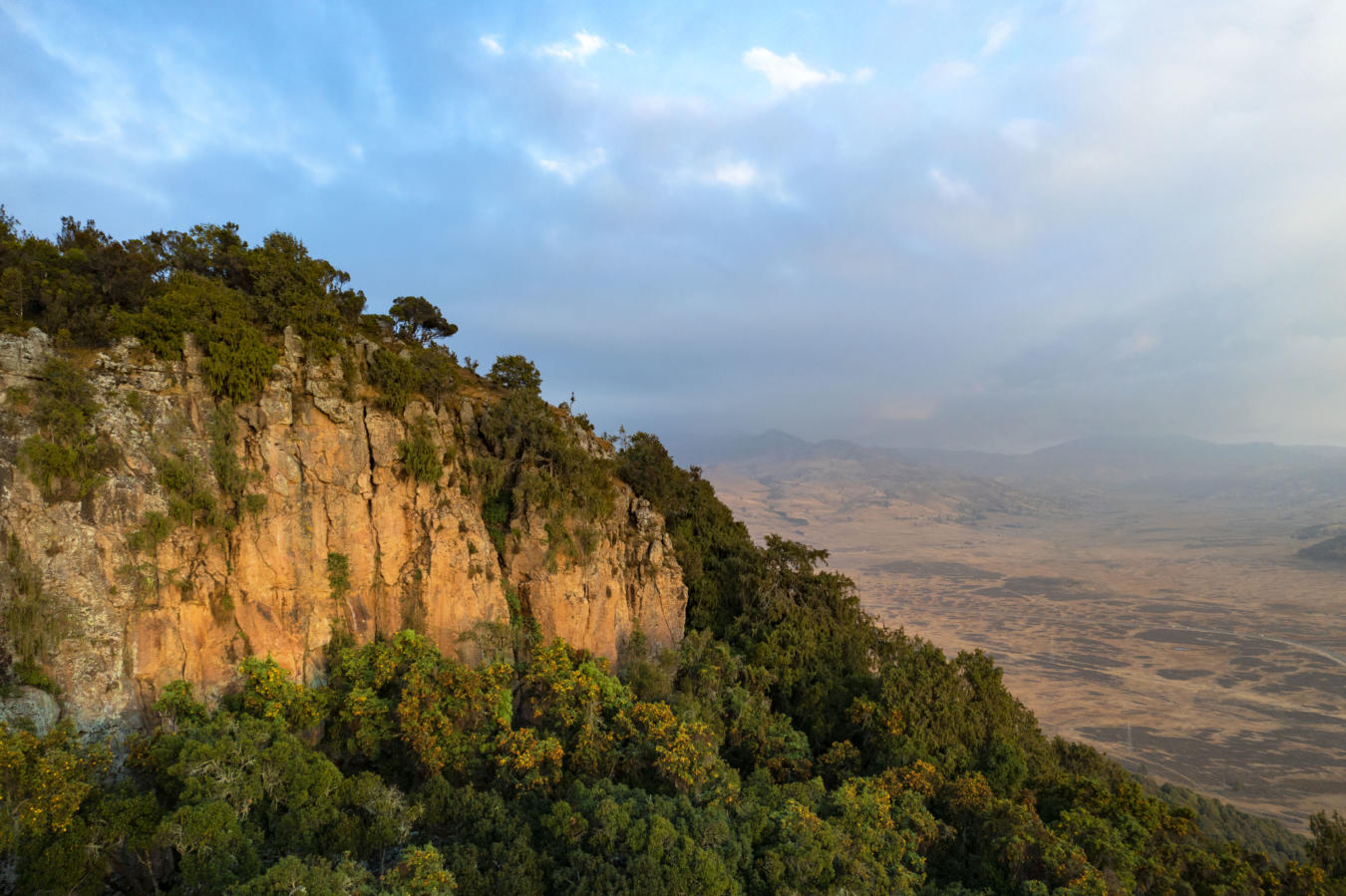
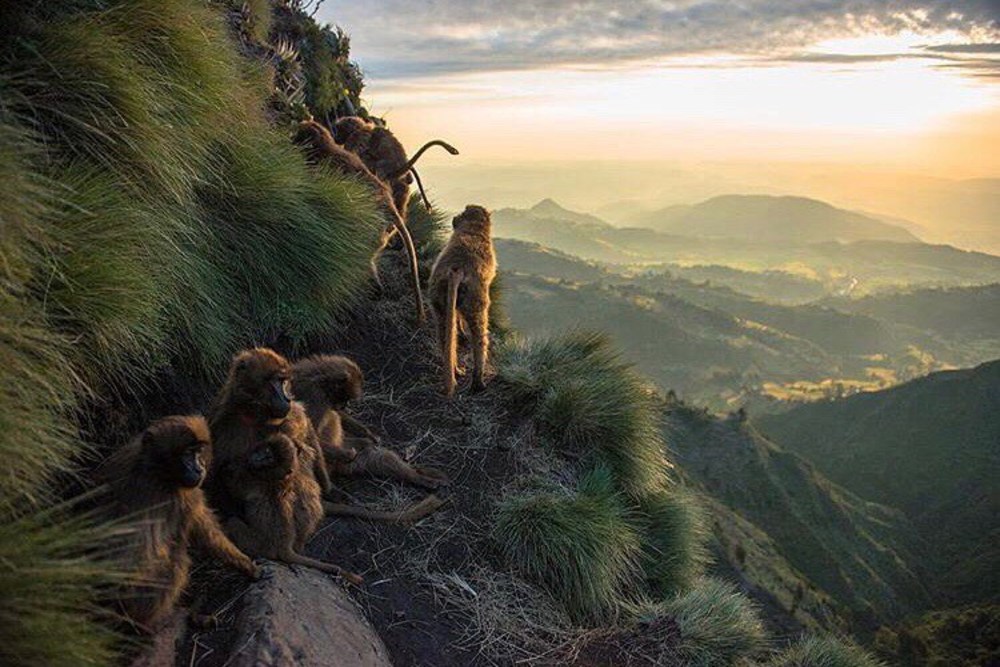
Rising over 4,500 meters, the Simien Mountains are often referred to as the “Roof of Africa.” This UNESCO World Heritage Site is a land of dramatic cliffs, plunging valleys, and jagged peaks shaped by millions of years of erosion. Trekking here is a bucket-list experience, not just for the scenery but also for the unique wildlife. Endemic species such as the Gelada baboon, the rare Ethiopian wolf, and the Walia ibex roam freely across the highlands. The cool mountain air, star-filled skies, and breathtaking sunrise views make this park a paradise for adventure seekers and nature lovers.

Bale Mountains National Park

The Bale Mountains are a haven for wildlife enthusiasts and birdwatchers. Stretching across high-altitude plateaus, alpine meadows, and lush Harenna Forest, this park is home to more than 300 bird species and some of the rarest animals in Africa. The Ethiopian wolf, the most endangered carnivore on the continent, can be spotted hunting on the Sanetti Plateau. Visitors can also see mountain nyala, giant molerats, and the majestic Bale monkey. The park offers opportunities for trekking, horseback riding, and exploring pristine wilderness that feels untouched by time.

Danakil Depression

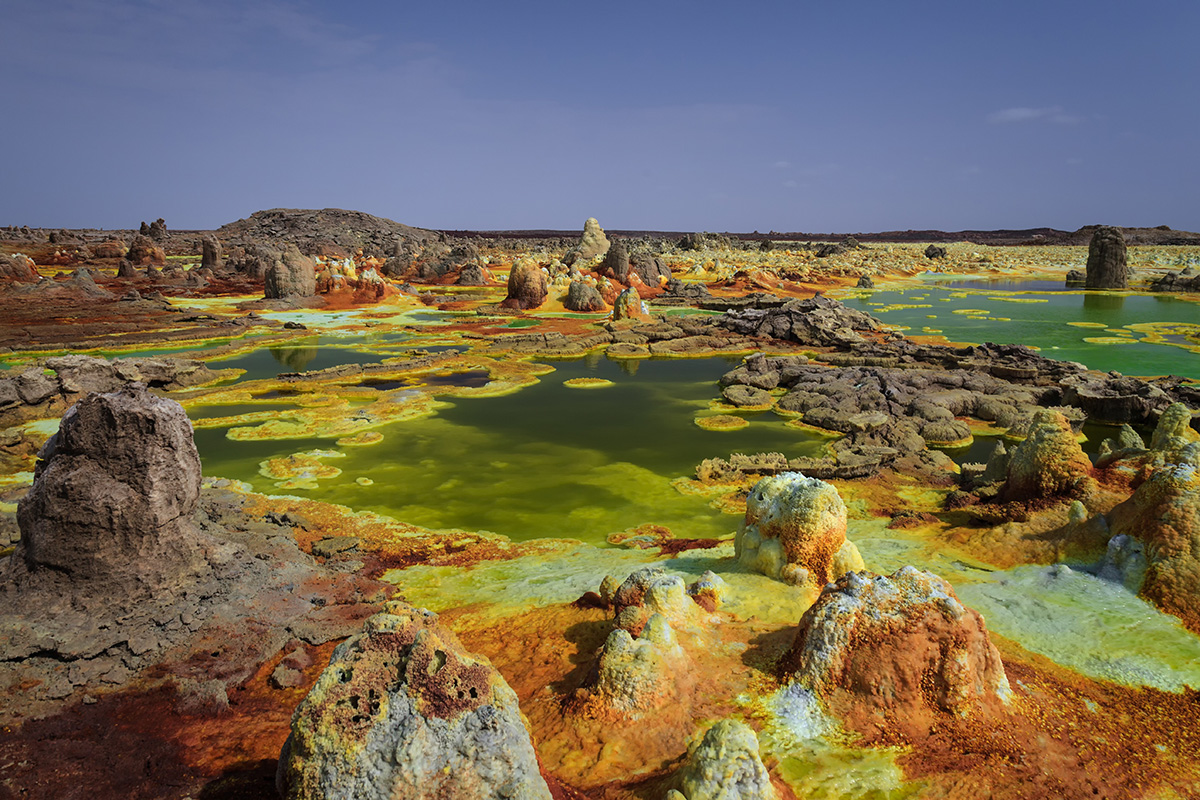
The Danakil Depression is one of the most extraordinary landscapes on earth. Lying more than 100 meters below sea level, it is one of the hottest and driest places known to man. Yet, its surreal beauty is unmatched—glowing lava lakes, shimmering salt flats, bubbling sulfur springs, and colorful mineral formations create a scene that looks almost otherworldly. Visitors can trek to the Erta Ale volcano, where a permanent lava lake bubbles and glows at night, or witness the centuries-old salt caravans of the Afar people. Though harsh and extreme, the Danakil offers one of the most unforgettable natural experiences in Ethiopia

Blue Nile Falls (Tis Issat)

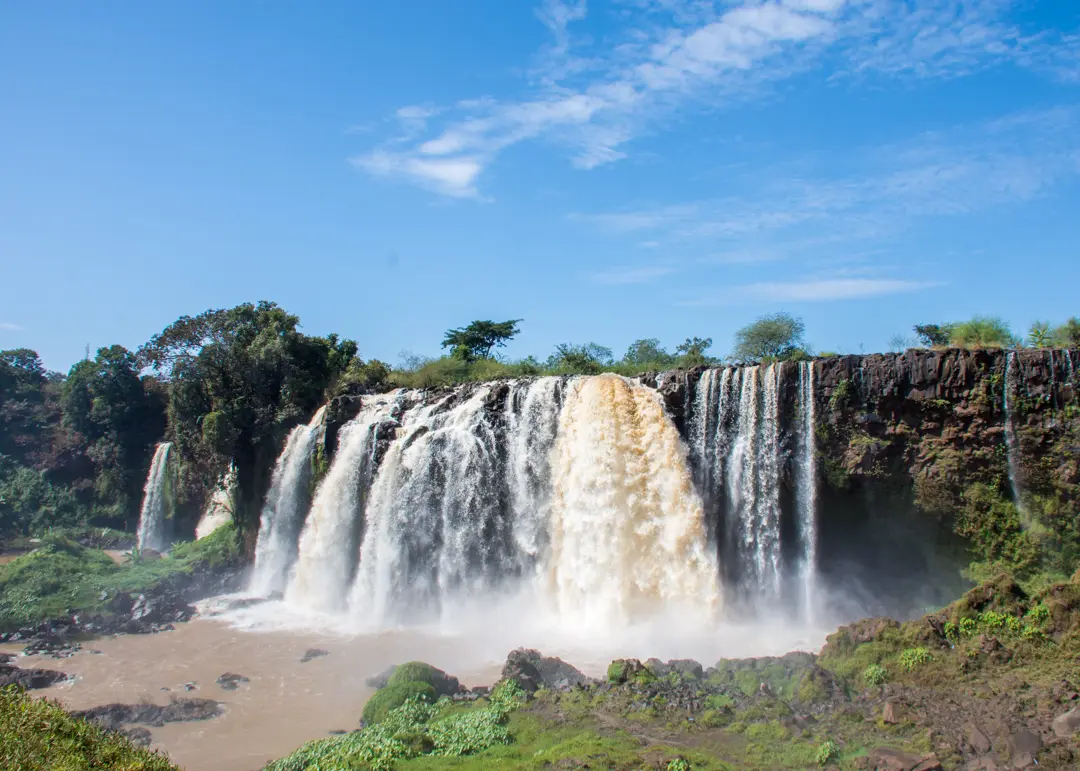
Known locally as Tis Issat, meaning “the Smoking Water,” the Blue Nile Falls are among Ethiopia’s most iconic natural wonders. During the rainy season, the thundering cascade stretches more than 400 meters wide, sending up a misty spray that creates vibrant rainbows. The surrounding landscape is lush with greenery, and visitors can enjoy short hikes to viewpoints, boat rides across the river, or cultural encounters in nearby villages. Whether seen in full flood or gentle flow, the falls remain a symbol of Ethiopia’s natural power and beauty.

Rift Valley Lakes

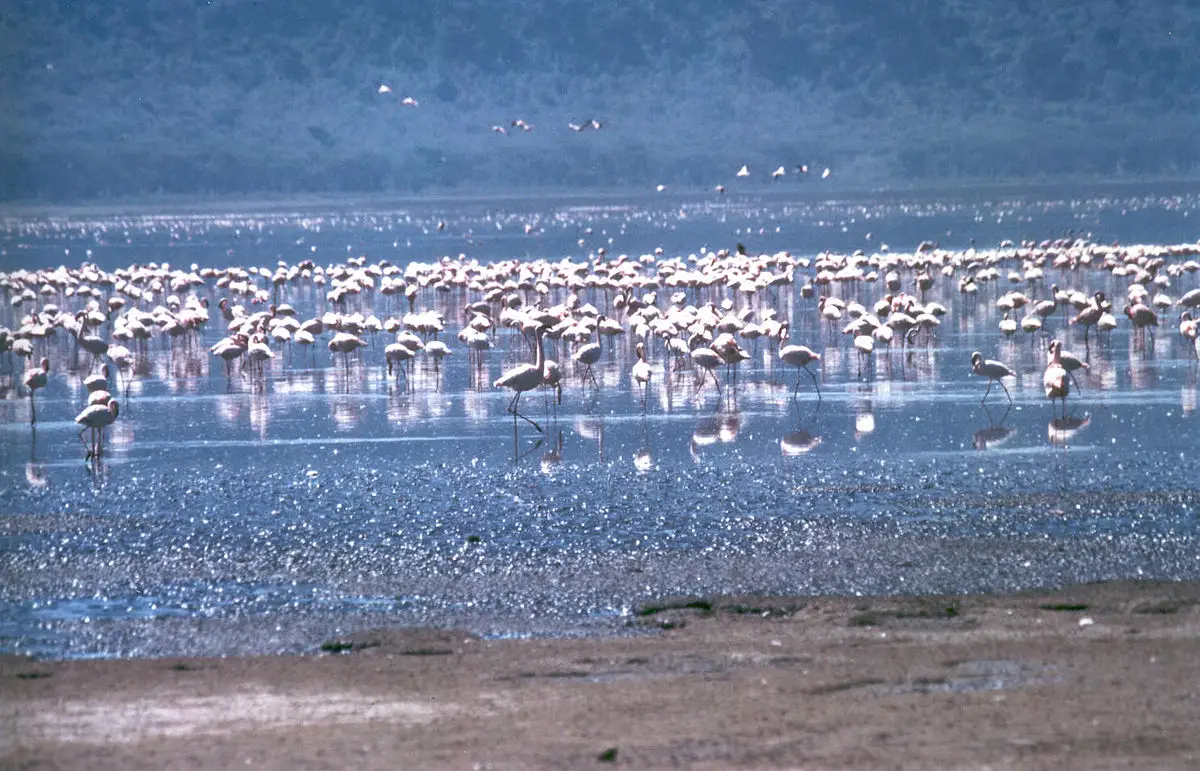
Stretching south of Addis Ababa, the Great Rift Valley lakes form a chain of diverse ecosystems and habitats that are a delight for travelers. Each lake has its own character—Lake Ziway is known for hippos and birdlife, Lake Langano is a favorite for swimming and relaxation, Abijatta-Shalla National Park boasts flamingos and volcanic scenery, while Lake Awassa offers bustling fish markets and an abundance of kingfishers, storks, and pelicans. The Rift Valley is ideal for birdwatching, photography, and experiencing local culture along the lakeshores.

Sof Omar Caves

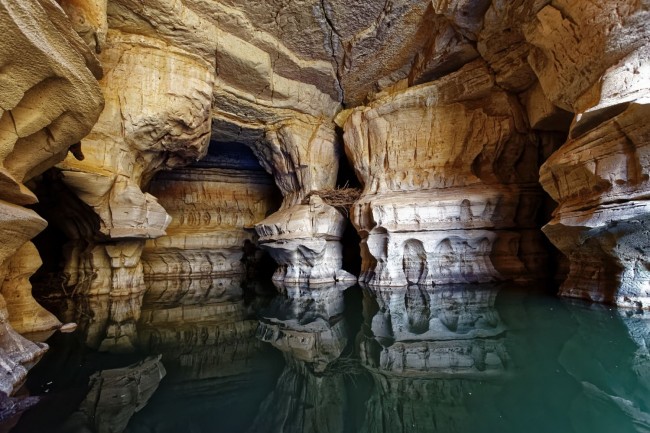
Hidden in the Bale region, the Sof Omar Caves are one of the most extensive underground cave systems in Africa. Formed by the Weyib River, which still flows through the caverns, the caves stretch for more than 15 kilometers, featuring natural rock pillars, echoing chambers, and winding passages. For centuries, the caves have been a place of spiritual significance, hosting both Islamic and traditional Oromo ceremonies. Today, they attract adventurers eager to explore their mysterious beauty. Walking through Sof Omar feels like stepping into another world—majestic, eerie, and deeply captivating.
On The Go Ethiopia

We will reply shortly

Translate »